 spaceA
Introduction
Exosome serums in Taiwan range from about NT$700 to NT$3,300; most bottles are 30ml or 50ml. The difference mainly lies in the exosome source: milk-derived exosomes, plant PDRN, and stem cell-conditioned media each have different appeals. There’s currently no unified way to indicate concentration and purity, so price does not necessarily equal higher concentration. This article compares five products and places price, exosome source, and accompanying ingredients in the same table.
Should I buy an exosome serum first, or use hyaluronic acid and peptides properly?
What extra money gets you
A bottle of exosome skincare runs NT$700 to NT$3,300, while hyaluronic acid or peptide serums of the same volume often cost around NT$500. Exosomes promise cell‑to‑cell communication benefits, but human trials are still small; hyaluronic acid’s moisturizing effects and peptides’ anti‑wrinkle research are far more established, so their results are more predictable. If your budget is limited, it’s more cost‑effective to stabilize those two categories first.
Is it inconvenient to use?
Hyaluronic acid and peptides are straightforward: wash your face and apply, and they don’t spoil at room temperature. Exosome serums usually require refrigeration after opening and must be used within a few months; some specify once‑daily use. Traveling with them requires more consideration for storage.
When is it worth buying?
Exosome serums make sense a few days after medical aesthetic procedures, during seasonal extreme dryness, or when you already have solid moisturizing and sun protection and want an extra layer. If your main issues are dryness or acne, correcting cleansing and hydration will produce more noticeable results than buying another serum.
5 Recommended Exosome Skincare Products
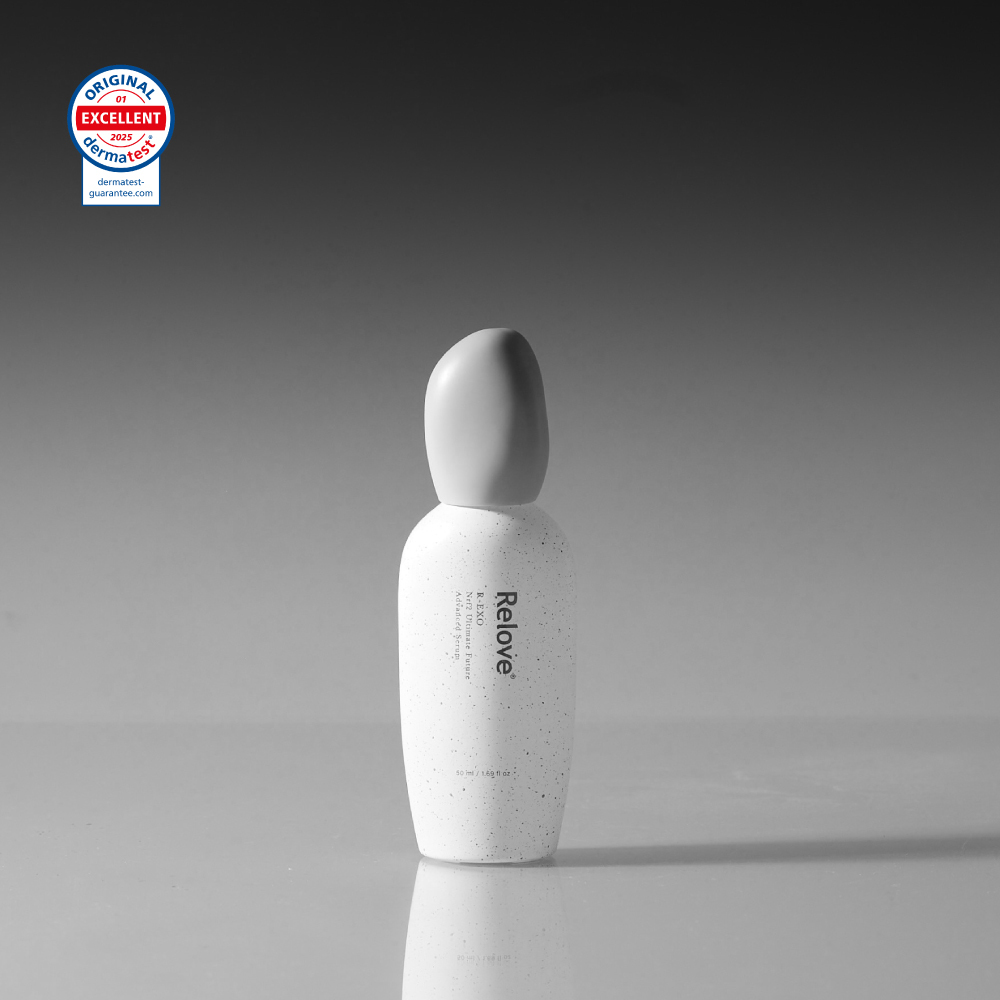
relove Quan-Jiao Ji Mi Repair Concentrate (全酵肌泌修護凝萃(小玻泌))
- Positioning
- A repair-focused serum-gel highlighting Korean milk exosomes and NrF2 probiotic concentrate, claiming hydration, plumpness, and brightening. The 50ml size is larger than average for this price range.
- Price
- NT$1,499
- Key ingredients
- Korean milk exosomes (marketing states “200 billion”), NrF2 probiotic concentrate, repair-grade hyaluronic acid
- Format
- Serum (gel-essence)
- Size
- 50 ml
- Supporting ingredients
- Antarctic glacier glycoprotein, French centella (full ingredient list not provided on page)
- Official information
- Brand founded by former flight attendant Amber (古婉蓁), Zhuo Yuteng (卓煜騰) and others; originated from intimate-care needs and has been operating for about ten years
- Claims to be Taiwan’s first facial skincare line jointly developed with Korea’s GFC Life Science
- Highlights “20 billion?” — actually marketed as 200 billion Korean milk exosomes and a 95% purity probiotic concentrate (NrF2), claiming to boost skin metabolism and maintain the barrier
- Extensive media coverage and interviews (including Commercial Times, Cosmopolitan, Yahoo, VOGUE, etc.)
- Awarded recognition by Monde Selection and acknowledged by industry outlets such as ELLE and as a promising Taiwanese brand
- Emphasizes R&D oversight, premium raw materials, and approachable pricing
User positive reviews
- Good moisturizing and repair sensation
- Light, non-sticky texture
- Suitable for oily skin
- Economical usage; most find the price fair
User negative reviews
- Exosome labeling has been questioned as unclear; often referred to as an “exosome concept”
- Some users see no effect within a month
- Marketing and influencer promotion criticized as exaggerated
- The cleansing gel foams little, which some users find unfamiliar
Actual user experience:Texture is on the lightweight gel-essence side, absorbs well, provides immediate hydration and soothing, can show short-term brightening or plumpness; long-term repair effects are reported as unclear by some users
Repurchase tendency:Mixed: some users repurchase due to short-term improvements, while others feel no effect or consider the marketing overblown and do not repurchase
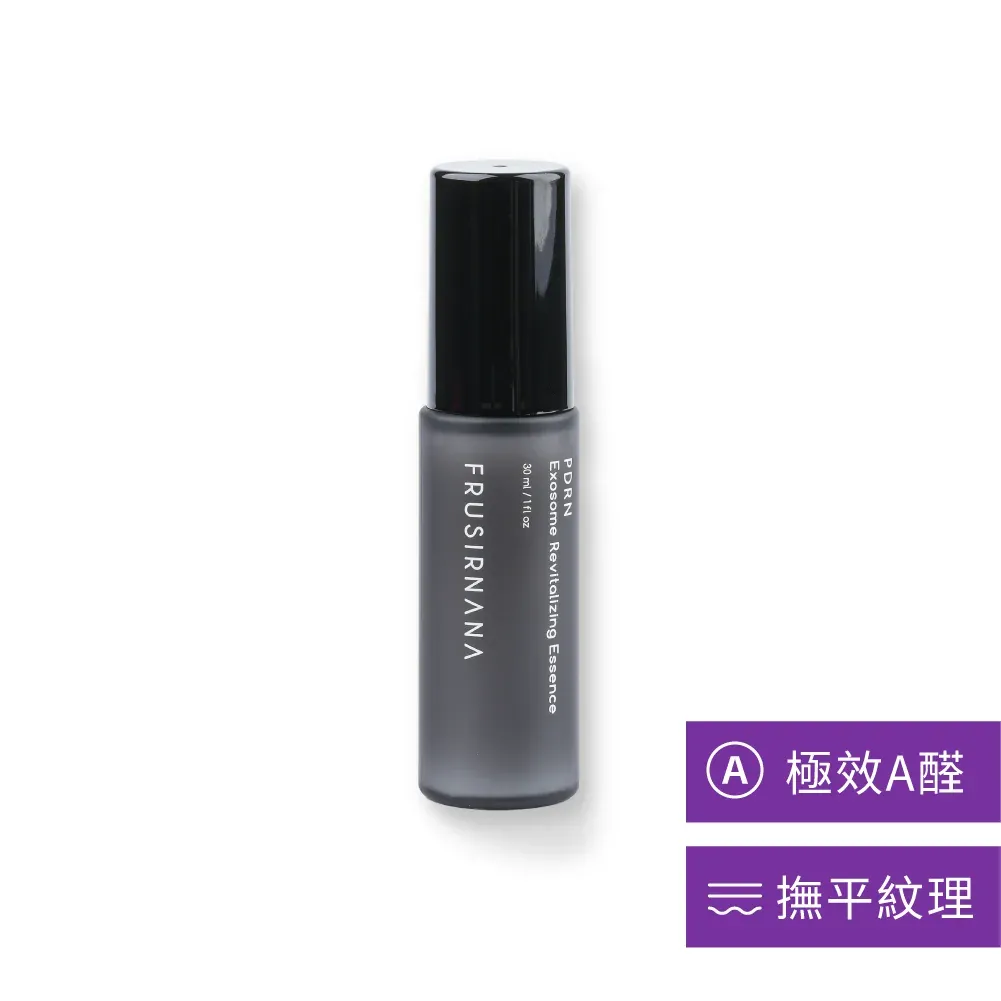
Meifu Nana (美膚娜娜) PDRN Exosome Smoothing Serum 30ml
- Positioning
- An MIT-formulated exosome serum combining plant PDRN × milk exosomes with plant-derived retinaldehyde, claiming to improve skin texture and aging concerns. Marketed as milder than synthetic retinaldehyde so suitable for unstable skin.
- Price
- NT$699 (original price NT$1,299)
- Key ingredients
- Plant PDRN, milk exosomes, plant-derived retinaldehyde
- Format
- Serum
- Supporting ingredients
- Plant-derived retinaldehyde, oatamide, allantoin, patented wax apple extract (full formula and concentrations not provided)
- Size
- 30 ml
- Origin
- Taiwan (marketed as MIT)
- Official information
- Started in 2014 from a farm project in Pingtung focusing on local crops and soil improvement; launched the FRUSIRNANA brand in 2015 and collaborates with academic research units for R&D.
- Media reports and interviews include udnSTYLE, Yahoo News, and branded interview videos.
- Website claims exclusive US certification for an ingredient in 2016 and records multiple industry-academia collaborations and Ministry of Science and Technology development projects.
- Market highlights include local Taiwanese fruit extracts, patented cold-extraction techniques, traceable production records, and additive-free formulas, focused on young women and acne/sensitive skin.
User positive reviews
- Skin looks brighter and more luminous after use (dewy glow)
- Less oil production, makeup adheres better
- Enhanced effect when used with microneedling or infusion treatments
- Some users see results within two weeks
User negative reviews
- Texture is watery and can drip or be wasted during use
- Some experience mild stinging when applied to the face
- Some users point out ingredient labels include soap/SLS, which may cause sensitivity
Actual user experience:Mild stinging on application; recommend pressing in circular motions to absorb. Post-use skin appears brighter and more hydrated, makeup longevity improves; during procedures/infusions it may drip onto pillows and use more product.
Repurchase tendency:Most users who feel an effect tend to repurchase, but the watery texture and potential irritation cause some hesitation; many will trial a small amount first or wait and see.

LA EXO LA EXO Laimi’er (萊泌兒) 999 Exosome Essence (外泌體精華液) (30ml)
- Positioning
- Biotech-grade exosome serum, targeting early-aging skin repair, brightening, firming, and soothing redness and sensitivity
- Price
- NT$2,278 (TWD 2,278)
- Key ingredients
- Sheng Yi Biotech biochemical pulse exosomes (exosome nano-molecules)
- Format
- Serum
- Size
- 30ml/bottle
- Official information
- Taiwan-origin exosome professional skincare brand; the skincare brand of Sheng Yi Biotech
- Highlights ExoGiov® biochemical pulse exosome technology, combining biotech with precision skincare applications
- Website and social channels feature news and promotional exposure (website news, Instagram, Facebook, YouTube)
- Brand claims to use Taiwan-developed patented ExoGiov®
- Market differentiation centers on exosome biotech, focusing on skin repair and scalp hair-growth professional claims
User positive reviews
- Skin looks radiant after use
- Improved hydration and reduced dullness
- Perceived as professional/clinic-grade product
- Specification labeling is clear (e.g., silver bottle 4 billion, blue bottle 10 billion)
- Packaging and shipping service often praised
User negative reviews
- Price is on the high side
- Often sold via consultation/clinic pricing, so channels are limited
- Some consumers question the value of topical exosomes
Actual user experience:Leaves skin with a glow and less dullness; comfortable and stable to use, increases hydration; commonly used for at-home maintenance after treatments; some users describe a professional-grade rescue effect
Repurchase tendency:High repurchase intent among beauty professionals and regulars seeking noticeable effects; general consumers show mixed repurchase behavior due to price and distribution
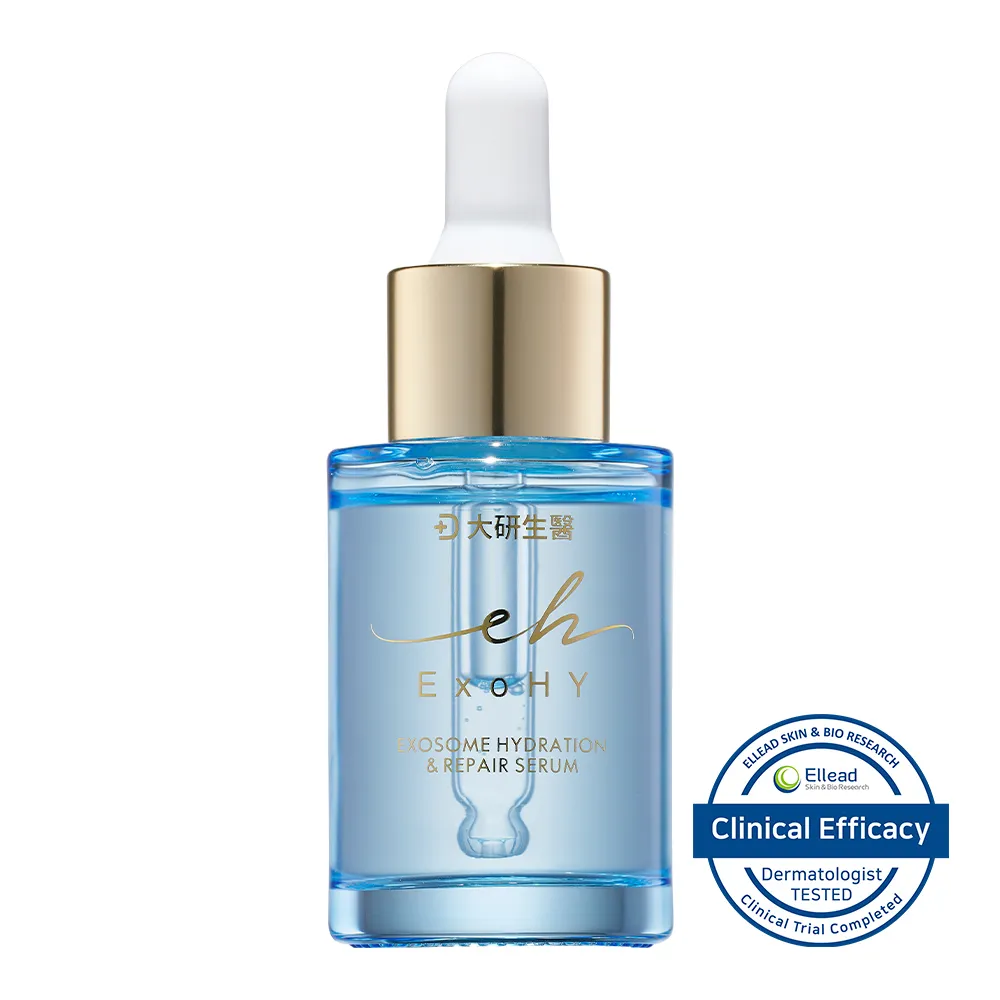
Daiken Biotech Exosome Hydrating Repair Serum
- Product Positioning
- Beauty serum (30 ml) focused on highly biocompatible exosomes derived from umbilical cord mesenchymal stem cells to enhance repair and long-lasting hydration, targeting sensitive skin and post-procedure recovery.
- Price
- TWD 1,320 (page promo price; suggested retail price TWD 1,980; JSON-LD structured price is TWD 1,320)
- Key Ingredients
- ExoHY high-biocompatibility exosomes (derived from umbilical cord mesenchymal stem cells), Ectoin (ectoine) amino acid derivative, seven types of hyaluronic acid (multi-form hyaluronic acid complex)
- Formulation
- Serum (beauty serum), single bottle content 30 ml
- Compound Ingredients
- Crosslinked sodium hyaluronate, sodium hyaluronate, hydrolyzed sodium hyaluronate, hydrolyzed glycosaminoglycan, hyaluronic acid, acetylated sodium hyaluronate, hydrolyzed hyaluronic acid (seven types of hyaluronic acid); Ectoin (ectoine); vitamin C, vitamin E, vitamin B5 (the page does not provide concentrations for each ingredient)
- Packaging Size
- Single bottle 30 ml
- Official Information
- The brand was founded by pharmacist Lin Dongqing and a corporate team; Zhang Jiaming formerly served as chairman, emphasizing R&D and batch testing.
- Covered and interviewed by multiple media outlets (including Yahoo News, United Daily News, Business Today, Careernet, etc.).
- Claims to have accumulated multiple international awards and quality recognitions (media reports mention Monde Selection, etc.) and emphasizes batch testing.
- Market highlights include more than 30 product lines, strong e-commerce sales performance, and donations during the pandemic to build trust.
Positive User Reviews
- Frequently recommended as an exosome serum pick
- Suitable for post-procedure soothing, barrier strengthening, and hydration
- Makes makeup adhere better and provides short-term brightening and radiance
Negative User Reviews
- Some users report unclear long-term effects
- Can be wasteful when applied with physical applicators (dripping during application)
- Perceived value varies by person; repurchase willingness is mixed
Actual User Experience:Mostly short-term immediate effects: brighter, more hydrated, makeup sits better; some people report no obvious lasting improvement after a few weeks—results vary by skin condition and usage frequency.
Repurchase Tendency:Mixed; users who notice short-term benefits or use it post-procedure are more likely to repurchase, while those without clear long-term improvements tend not to repurchase or look to other brands.

Ai Wanlin Biotech Noah Exosome Ever-Radiant Face Serum
- Product Positioning
- An anti-aging face serum featuring exosomes, combining human umbilical cord mesenchymal stem cell exosomes, anti-aging peptides and fullerenes. Claims include firming and wrinkle reduction, deep hydration and antioxidant effects to restore plump, radiant skin.
- Price
- NT$3,280 (TWD 3,280)
- Core Ingredients
- UCMSC‑exosome (human umbilical cord mesenchymal stem cell exosomes), Fullerenes, Matrixyl 3000 (Palmitoyl Tripeptide‑1, Palmitoyl Tetrapeptide‑7), Sodium Hyaluronate, Sodium Hyaluronate Crosspolymer, Sodium Acetylated Hyaluronate, Panthenol (vitamin B5), Ganoderma Lucidum (reishi extract), Lactococcus Ferment Lysate (probiotic fermentation lysate), Glycerin
- Formulation
- Face serum (serum/liquid)
- Full Ingredients
- Aqua, Propanediol, Butylene Glycol, Panthenol, 1,2-Hexanediol, Ammonium Acryloyldimethyltaurate/VP Copolymer, Sodium Hyaluronate, Sclerotium Gum, Ganoderma Lucidum Extract, Lactococcus Ferment Lysate, Caprylhydroxamic acid, Disodium EDTA, Chondrus Crispus Extract, Pentylene Glycol, Sodium Hyaluronate Crosspolymer, Glycerin, Sodium Acetylated Hyaluronate, Phenoxyethanol, Lithothamnion Calcareum Extract, Crithmum Maritimum Callus Culture Filtrate, Polyvinylpyrrolidone, Aphanizomenon Flos-Aquae Extract, Lactic Acid, Citrus Junos Fruit Extract, Sodium Benzoate, Sodium Chloride, Carbomer, Potassium Sorbate, Polysorbate 20, Fullerenes, Palmitoyl Tripeptide-1, Palmitoyl Tetrapeptide-7, UCMSC-exosome
- Packaging Size
- 30 ml (per bottle)
- Official Information
- The company focuses on human stem cell exosome technology research and applications; founder Lin Zou-Yan, with emphasis on exosome purification and identification technologies
- The official site and media (including Economic Daily News, The Storm Media, COSME, Scoop, and Formosa TV) have interviews and social posts
- In 2024 it received the “National Biotechnology & Medical Quality Awards — Cosmetics and Supplies Category — Bronze Award,” and claims to hold patents and CDE-related exosome new drug benchmark projects
- Product lines cover new drug development and consumer skincare, emphasizing high-purity exosome processing and testing, repurchase rate, celebrity endorsements and international channel expansion
Positive user feedback
- Strong hydration—short-term noticeable moisturizing effect
- Gentle, non-irritating texture, suitable for dry or early-aging skin
- When used with masks/creams it can quickly soothe and repair
Negative user feedback
- Price seen as high by most users
- Some users report no significant improvement after long-term use
- Complaints about wasted product in treatment doses or inconvenience when applying
Actual user experience: Most feedback notes short-term hydration, radiance and soothing effects; some users report no change after 2–4 weeks. Overall sensation is mild and non-irritating.
Repurchase tendency: Mixed: users who notice immediate effects are more likely to repurchase, but price is the main barrier; those who see no effect or are skeptical are unlikely to repurchase.
| Brand | Product name | Price | Core ingredients | Formulation |
|---|---|---|---|---|
| relove | Full-Ferment Sebum Repair Concentrate (Little Bo-mi) | NT$1,499 | Milk exosomes, probiotic extract | Serum |
| Meifu Nana (美膚娜娜) | PDRN Exosome Ironing Serum 30ml | NT$699 | Plant PDRN, milk exosomes, A aldehyde | Serum |
| LA EXO | LA EXO Lai-mi-er 999 Exosome Serum (30ml) | NT$2,278 | Sheng Medical exosomes | Serum |
| Dayan Biotech | Exosome Moisturizing Repair Serum | TWD 1,320/Suggested 1,980 | Exosomes, Ectoine, Hyaluronic acid | Serum |
| Ai Wanlin Biotech | Noah Exosome Ever-Radiant Face Serum | NT$3,280 | Exosomes, Fullerenes, Matrixyl | Serum |
Selection Criteria for Exosome Skincare Products
How to confirm this product is legal
First check the box and the official website for the stated source of the exosomes. Taiwan currently does not allow exosomes derived from human cells in general cosmetics; legally sold products usually source exosomes from milk, plants, or other non-human culture media. Be wary if a product claims “human stem cell exosomes.” A website that is willing to publish third-party test reports or ingredient certificates is more trustworthy than one that merely touts “exclusive patents.”
Where do the exosomes come from
Milk exosomes, plant PDRN, and fermented culture filtrates vary a lot in claims and price, and these are usually identifiable on the ingredient list. Note that almost no brand lists an actual exosome amount—marketing numbers like “2 trillion” or “999” are promotional and can’t be directly compared across brands. Instead of comparing those figures, look at whether moisturizing and antioxidant ingredients appear early or late on the full ingredient list.
How to evaluate advertised claims
If the official site posts test data, check two things: whether the number of participants exceeds thirty, and whether the test used the finished product rather than a single raw ingredient. Questionnaire results that only state “95% satisfaction after four weeks” have limited reference value. Cosmetics cannot claim medical effects, so treat words like “repair,” “regenerate,” or “replace medical procedures” as marketing copy.
Ingredients, Pitfalls, and Who It’s Best For—At a Glance
- Ingredient comparison: relove clearly states 200 billion Korean milk exosomes and a 95% pure probiotic extract. Other brands such as Meifu Nana (美膚娜娜), LA EXO, Dayan (大研), and Ai Wanlin (艾萬霖) mostly list only the source or ingredient type without publishing dosages, making it hard to directly compare exosome potency between products.
- Best for: relove targets intimate care and daily zoned skincare for women; Meifu Nana (美膚娜娜) promotes a serum paired with plant-derived A-aldehyde to address texture; LA EXO and Ai Wanlin (艾萬霖) lean toward early signs of aging and anti-aging needs; Dayan Biomedical (大研生醫) positions itself for sensitive skin and post-procedure repair.
- Common pitfalls: many brands do not disclose exosome dosages or only highlight patent terminology, so consumers can be swayed by marketing while overlooking differences in volume, per-milliliter price, and whether the ingredient sources suit their skin condition.